$2 Potato Trick That’s Better Than Any Restaurant Side Dish
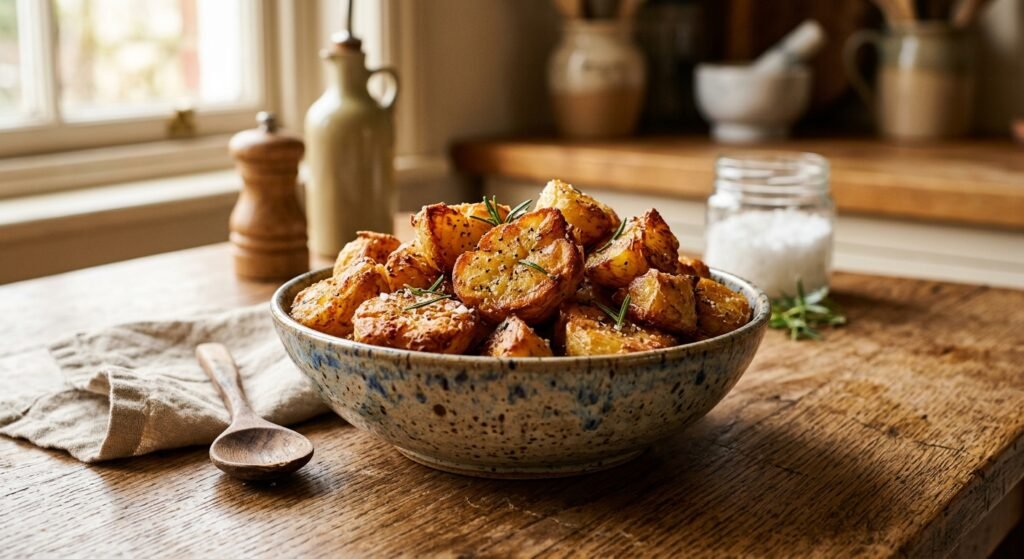
We have all been there: you go to a high-end steakhouse, pay an absolute premium for a side of roasted potatoes, and marvel at that perfect contrast of a shattering, crispy crust and a pillowy, cloud-like interior. You go home, chop up some spuds, toss them in oil, blast them in the oven, and… end up with something tragically mediocre. They are either soggy, burnt, or aggressively average. But what if I told you that the secret to achieving side-dish perfection doesn’t require a culinary degree, an expensive air fryer, or a massive grocery bill? In fact, it costs less than two dollars.
This simple, game-changing $2 potato trick relies on basic food science using a pantry staple you already own. By making one tiny adjustment to how you prep your potatoes, you will unlock a texture that rivals any five-star restaurant. Once you learn this method, you will never roast potatoes the old way again. Get ready to elevate your weeknight dinners and impress your dinner guests with the most budget-friendly, show-stopping side dish imaginable.
Why You’ll Love This Recipe
- Incredibly Budget-Friendly: You only need a bag of basic potatoes and a few pantry staples, keeping the total cost right around the two-dollar mark.
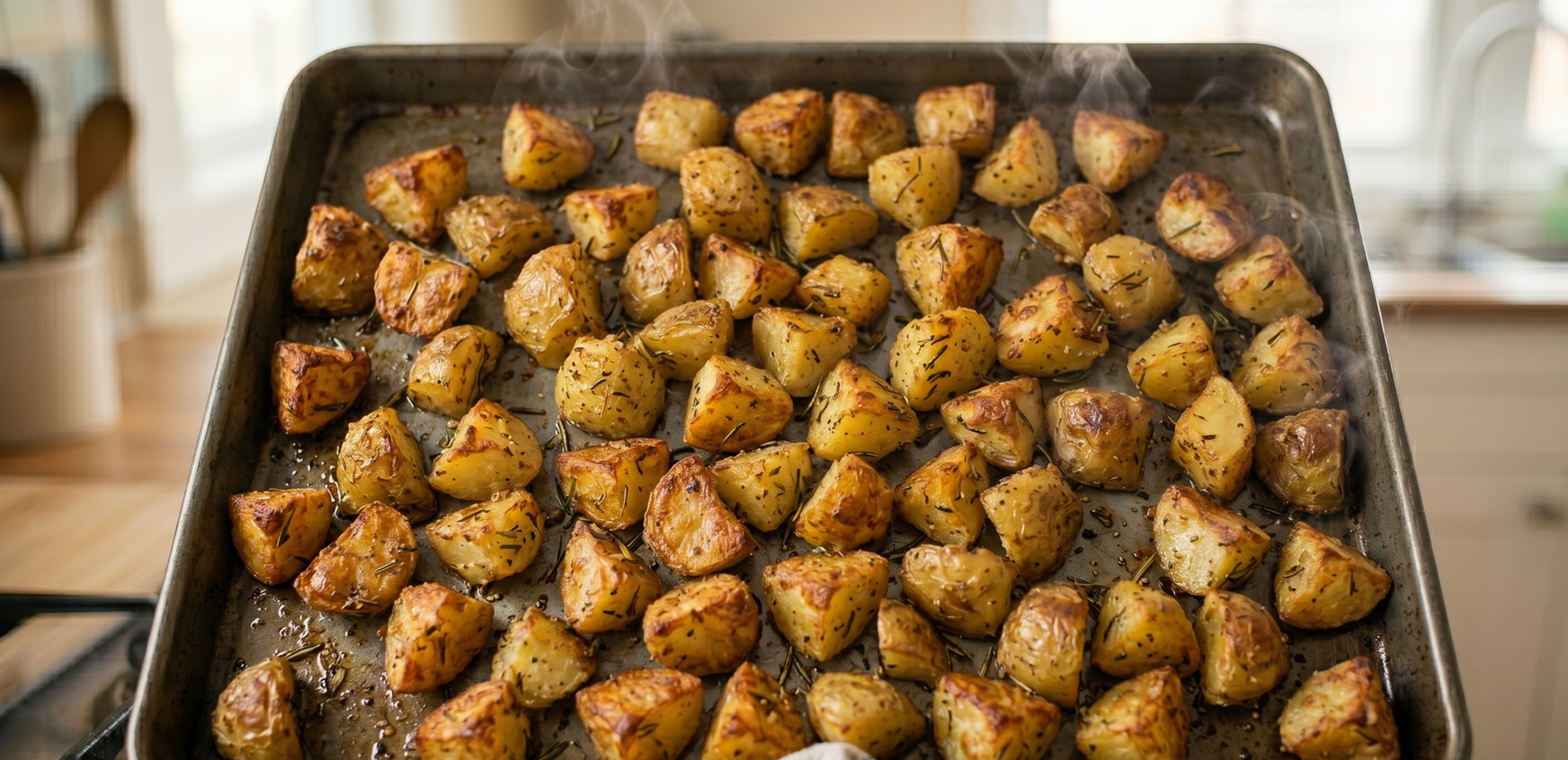
- Better-Than-Restaurant Texture: This method maximizes the surface area of the potato starch, creating a thick, craggy, ultra-crispy crust while keeping the inside beautifully fluffy.
- Set It and Forget It: Once the quick prep work is done, the oven does all the heavy lifting, freeing you up to focus on your main course.
- Infinitely Customizable: While we love the classic garlic and herb pairing, this technique serves as a blank canvas for any of your favorite spice blends.
Secret Behind the $2 Potato Trick
The secret to this entire recipe comes down to a single teaspoon of baking soda added to your boiling water. When you boil potatoes in alkaline water (water with raised pH levels thanks to the baking soda), it breaks down the potato’s exterior surfaces much faster than standard water.
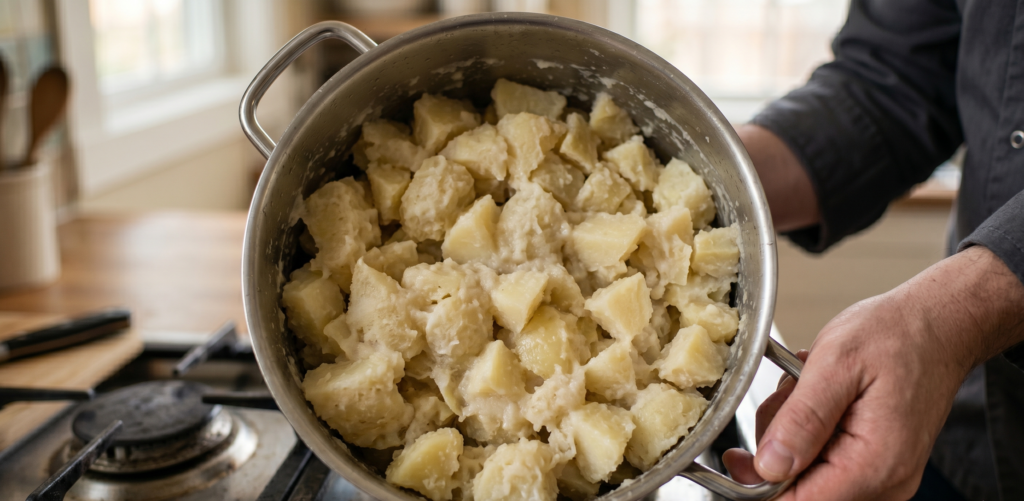
As the exterior surfaces break down, they create a thick slurry of loose potato starch. When you toss these par-boiled potatoes with your oil and seasonings, that starchy paste gets roughed up and coats the outside of each chunk. When baked, this starch slurry crisps up into an incredibly thick, micro-blistered, shattering crust that stays crispy long after it leaves the oven.
Ingredients You’ll Need
- Potatoes: 2 lbs of Russet or Yukon Gold potatoes
- Baking Soda: 1 teaspoon (the magic ingredient!)
- Olive Oil or Duck Fat: 1/4 cup
- Garlic Powder: 1 teaspoon
- Fresh Rosemary: 2 tablespoons, finely chopped
- Kosher Salt and Black Pepper: To taste
Ingredient Notes & Substitutions
Choosing the right potato makes a massive difference. Russet potatoes are high in starch, which results in the absolute crispiest edges and a beautifully dry, fluffy interior. Yukon Golds are a fantastic alternative; they offer a naturally buttery flavor and a slightly creamier interior while still crisping up beautifully on the outside.
For the fat, extra virgin olive oil is excellent for a clean, classic flavor. However, if you want to take this to a truly decadent level, use melted duck fat or beef tallow. Animal fats have a higher smoke point and provide an intensely savory, rich depth of flavor that mimics high-end steakhouse sides perfectly.
Step-by-Step Instructions
Step 1: Peel and Chop the Potatoes
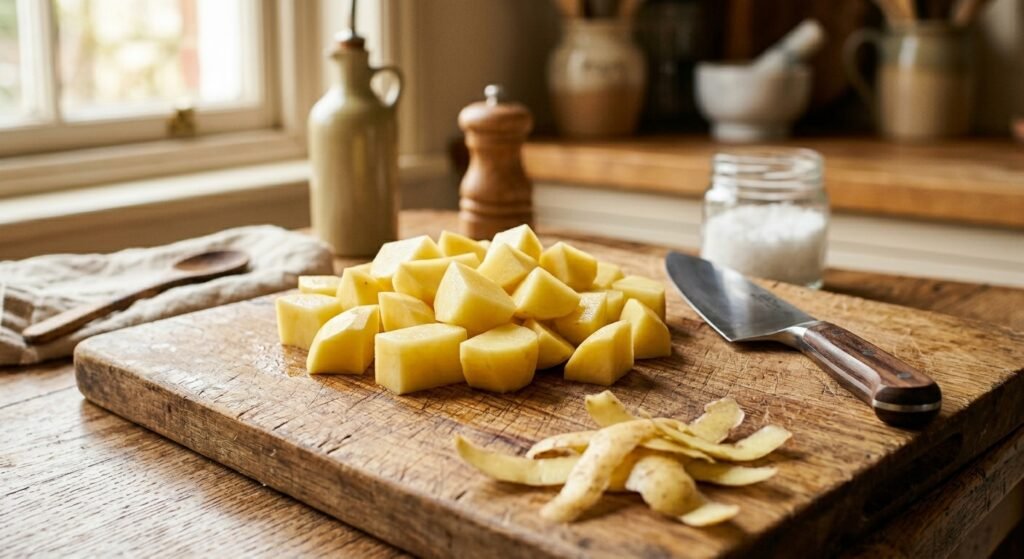
Peel your potatoes (or leave the skin on if using Yukon Golds and you prefer a rustic vibe) and cut them into sizeable, uniform chunks—aim for roughly 1.5 to 2-inch pieces. Cutting them too small will cause them to fall apart during the boiling process.
Step 2: Boil with the Magic Trick
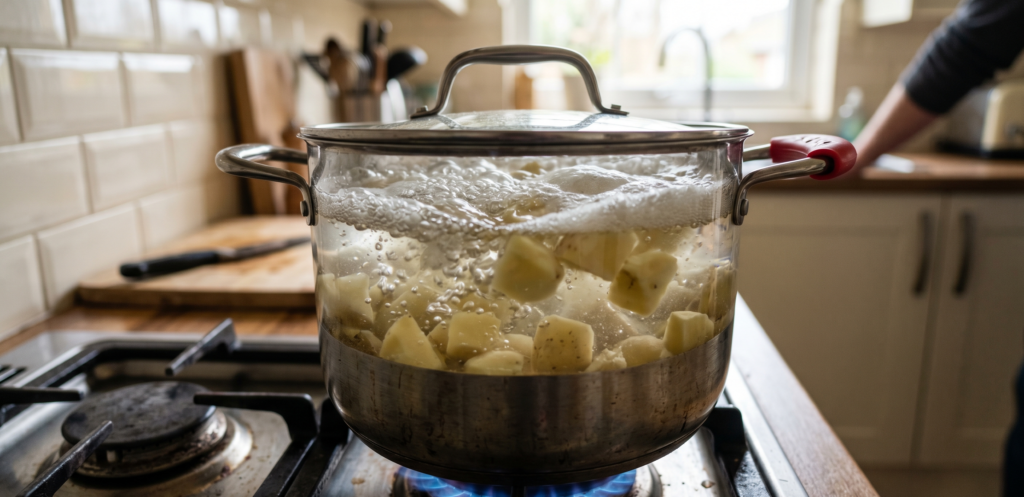
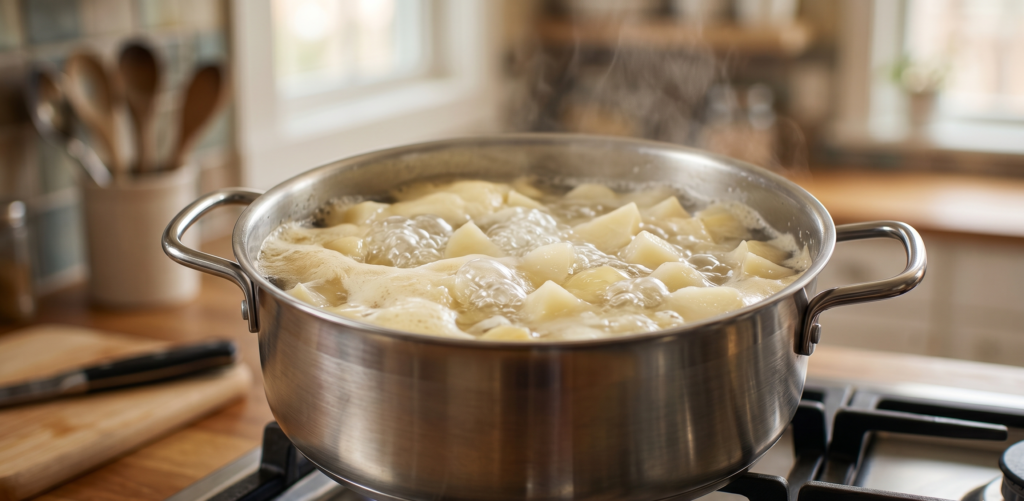
Bring a large pot of water to a rolling boil. Add a generous tablespoon of kosher salt and exactly 1 teaspoon of baking soda. Drop your potato chunks in and let them par-boil for about 10 to 12 minutes, or until a knife can pierce the exterior easily but the core still offers some resistance.
Step 2: Boil with the Magic Trick
Bring a large pot of water to a rolling boil. Add a generous tablespoon of kosher salt and exactly 1 teaspoon of baking soda. Drop your potato chunks in and let them par-boil for about 10 to 12 minutes, or until a knife can pierce the exterior easily but the core still offers some resistance.
Step 3: Drain and Rough Them Up
Drain the potatoes thoroughly in a colander and let them sit for 2 minutes to allow excess moisture to evaporate. Transfer them back into the empty pot. Hold the lid tightly on top and vigorously shake the pot up and down for 5 to 10 seconds. You want the edges of the potatoes to look smashed, fuzzy, and coated in a thick layer of potato paste.
Step 4: Season and Coat
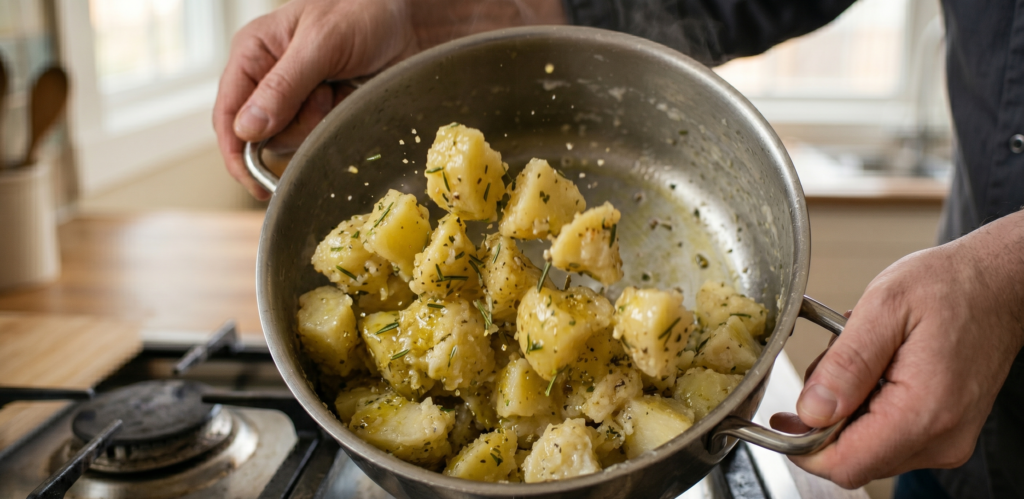
Pour your olive oil (or animal fat), garlic powder, chopped rosemary, salt, and pepper directly over the roughed-up potatoes. Gently toss them with a spatula until every single piece is thoroughly coated in the seasoned oil mixture.
Step 5: Roast to Perfection
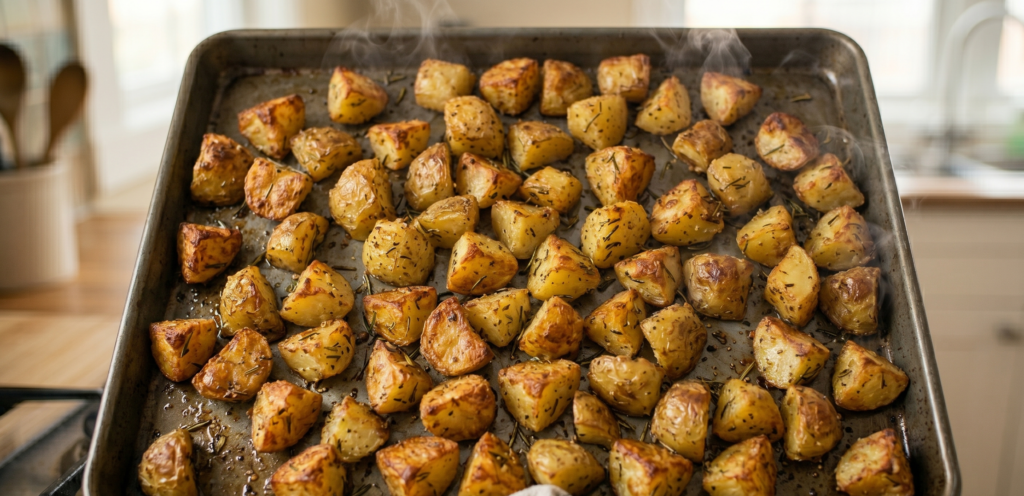
Preheat your oven to 450°F (230°C). Spread the potatoes out onto a large baking sheet, ensuring they aren’t crowding one another. Roast for 45 to 50 minutes, flipping them carefully with a spatula every 20 minutes, until they turn a deep, golden brown and sound hollow and crispy when tapped.
Tips for Perfect Results
- Don’t Crowd the Pan: If the potatoes are piled on top of each other, they will steam instead of roast, ruining your chances of getting that ultra-crispy crust. Use two baking sheets if necessary.
- Let the Steam Evaporate: After draining your boiled potatoes, give them a couple of minutes to air-dry. Excess moisture is the ultimate enemy of crispiness.
- Use High Heat: Do not be afraid of a 450°F oven. Potatoes are incredibly resilient and need that intense heat to blister the starch coating properly.
Recipe Variations
- The Loaded Potato: Five minutes before the potatoes are finished roasting, sprinkle them with shredded sharp cheddar cheese and cooked bacon bits. Top with sour cream and chives right before serving.
- Spicy Parmesan: Toss the potatoes with a teaspoon of smoked paprika and cayenne pepper before roasting, then dust them generously with freshly grated Parmesan cheese the second they come out of the oven.
- Lemon Herb: Substitute the rosemary for fresh thyme and oregano, and squeeze the juice of half a fresh lemon over the hot potatoes just before serving for a bright, Mediterranean twist.
What to Serve With It
These potatoes are versatile enough to pair with almost any protein. They act as the absolute perfect companion to a pan-seared ribeye steak, a juicy roasted chicken, or even a simple grilled pork chop. If you are hosting a holiday dinner or Sunday roast, these will instantly steal the spotlight from the main course. They also pair wonderfully with a simple dipping sauce, like a homemade garlic aioli or a spicy chipotle mayo.
Storage & Reheating
If you miraculously have leftovers, store them in an airtight container in the refrigerator for up to 4 days.
To reheat and preserve that incredible crunch, avoid the microwave at all costs—it will turn them gummy and soft. Instead, spread the leftovers back onto a baking sheet and pop them into a 400°F (200°C) oven or toaster oven for 8 to 10 minutes until warmed through and re-crisped. Alternatively, they reheat beautifully in an air fryer at 380°F for 4 to 5 minutes.
Common Mistakes to Avoid
- Skipping the Baking Soda: Skipping this ingredient means you are just making standard roasted potatoes. The baking soda is what breaks down the starch to create the signature crispy layer.
- Under-boiling the Potatoes: If you don’t boil them long enough, the exteriors won’t soften sufficiently to create that starchy slurry when shaken.
- Flipping Too Early: Let the potatoes roast undisturbed for the first 20 minutes so they can form a solid crust on the bottom before you try to flip them.
Frequently Asked Questions (FAQs)
Can I use red potatoes for this recipe?
While you can use red potatoes, they are a waxy variety with much less starch than Russet or Yukon Gold potatoes. They will still taste delicious, but they will not achieve the same extreme level of crispiness.
Will the potatoes taste like baking soda?
Not at all! The small amount of baking soda completely dissolves in the water and rinses away, leaving behind only the scientific benefits of a altered pH level without any lingering alkaline taste.
Can I prep these potatoes ahead of time?
Yes! You can par-boil and rough up the potatoes up to a few hours in advance. Keep them covered at room temperature, then toss them in the oil and seasonings right before you are ready to roast them in the oven.
Why did my potatoes stick to the baking sheet?
This usually happens if the pan wasn’t sufficiently oiled or if you tried to flip the potatoes too early. Ensure your baking sheet has a good layer of oil, and let the potatoes roast for a full 20 minutes to develop a crust before moving them.
Final Thoughts
There is absolutely no need to spend a fortune at an upscale restaurant just to enjoy impeccable side dishes. With a humble bag of spuds and a single teaspoon of baking soda, you can easily replicate high-end culinary magic right in your own kitchen. This $2 potato trick is a testament to how simple food science can completely transform everyday cooking. Give it a try tonight, and watch your family marvel at the crispiest, fluffiest potatoes they have ever tasted!